Fines for fly tipping in Kingston and legal waste disposal
Posted on 17/08/2026
Fines for Fly Tipping in Kingston and Legal Waste Disposal: What Residents and Businesses Need to Know
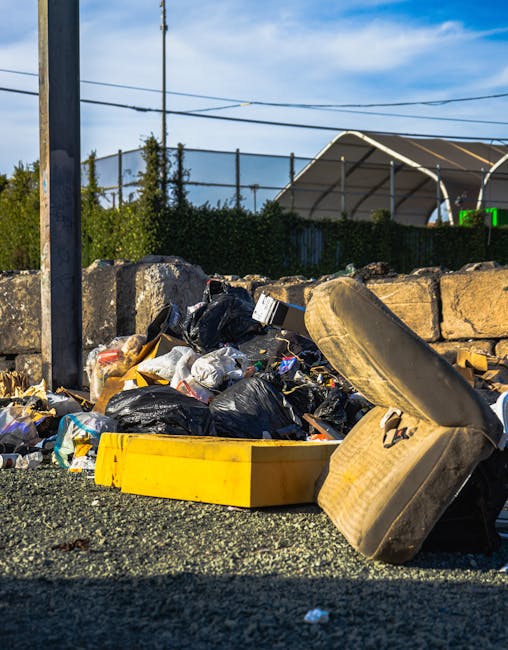
Fly tipping is one of those problems that looks small from a distance and turns expensive very quickly. A mattress left by a hedge, a builder's sack dumped on a quiet road, a pile of bags tucked behind shops near closing time - it all creates hassle, risk, and possible penalties. If you are trying to understand fines for fly tipping in Kingston and legal waste disposal, the key question is simple: how do you stay on the right side of the rules without making waste removal more complicated than it needs to be?
This guide breaks it down in plain English. You'll see what fly tipping actually means, how enforcement typically works, what legal disposal looks like in practice, and how to avoid the common mistakes that lead to trouble. We'll also cover practical steps for homes, landlords, tradespeople, and businesses in Kingston, plus the safest ways to arrange collection, check compliance, and keep records that protect you later. It's the sort of detail that matters when you are short on time and do not want a knock on the door weeks later.
Along the way, we'll point you to a few useful local resources, including the waste carrier licence and compliance guidance, the services overview, and the page on recycling and sustainability so you can make cleaner decisions from the outset.
- Why fines and legal waste disposal matter in Kingston
- How fly tipping enforcement and legal disposal work
- Key benefits and practical advantages
- Who this is for and when it makes sense
- Step-by-step guidance
- Expert tips for better results
- Common mistakes to avoid
- Tools, resources and recommendations
- Law, compliance, standards and best practice
- Options, methods and comparison table
- Case study or real-world example
- Practical checklist
- Conclusion
- Frequently asked questions
Why Fines for Fly Tipping in Kingston and Legal Waste Disposal Matters
Fly tipping is not just an eyesore. In a place like Kingston, where residential streets, riverside routes, shopping areas, and busy transport links all sit close together, dumped waste can become a real nuisance fast. It blocks pavements, attracts pests, creates fire risk, and makes neighbourhoods feel neglected. That matters whether you live near the station, manage a flat block, run a shop, or are clearing a property after a renovation.
There is also the legal side. Waste is your responsibility until it is handed to an authorised carrier and disposed of properly. If you give waste to the wrong person and it ends up dumped, you may still face scrutiny. That is the bit many people miss. "I paid someone to take it away" is not always the end of the story. The evidence trail matters, and in real life that means receipts, carrier details, and a clear understanding of what was collected.
On a practical level, legal waste disposal protects your time as much as your wallet. It avoids messy follow-up calls, awkward disputes, and the slow dread of wondering where your rubbish ended up. And to be fair, once you have seen how quickly an illegally dumped load can spoil a street, you start to understand why enforcement is taken seriously.
If you are dealing with bulky items, mixed household waste, or renovation debris, it is worth reading a little more about the type of service that fits the job. The site's waste clearance service in Kingston and builders waste disposal pages are useful starting points for sorting domestic and trade waste the right way.
How Fines for Fly Tipping in Kingston and Legal Waste Disposal Works
At a high level, fly tipping enforcement usually follows a simple pattern: waste is found, someone investigates, and if there is enough evidence, enforcement action follows. That action may include a fixed penalty or a more serious case if the dumping was large-scale, repeated, or clearly organised. The exact response depends on the circumstances, so it is best not to assume a small pile of rubbish will be treated lightly just because it looks minor.
Here is the plain-English version of how it often works:
- Waste is discovered in a public or private place.
- Officers or investigators look for clues about who produced it or handled it.
- They may check addresses, labels, CCTV, vehicle details, receipts, or witness reports.
- If someone is linked to the waste, enforcement action can follow.
- If the waste came from a contractor or carrier, records become very important.
Legal waste disposal is the opposite of that mess. You identify the right collection method, use a legitimate carrier, make sure the items are passed on properly, and keep proof of what was removed. For many readers, the safest route is a professional collection service rather than a guess-and-hope approach with a van and a mate on a Saturday morning. It sounds obvious. It still goes wrong all the time.
For example, if you are clearing a house, a loft, or an office, it helps to choose a service that matches the waste type. A household clearance is not the same as white goods disposal, and garden cuttings are not the same as construction rubble. You can see the difference in the relevant pages for house clearance, loft clearance, office clearance, and white goods and appliance disposal.
Key Benefits and Practical Advantages
The biggest benefit of handling waste properly is peace of mind. Once you know the load is going to a lawful destination, you are not left wondering if it might reappear dumped by a hedge, a lane, or an alley two postcodes away. That is not a small thing. It saves worry, and honestly, it saves time too.
Other benefits are more tangible:
- Lower legal risk: you reduce the chance of fines, disputes, or being asked to explain your waste trail.
- Cleaner properties: clear spaces are safer, easier to use, and easier to sell or let.
- Better presentation: especially useful for landlords, agents, and businesses near busy Kingston spots.
- Fewer surprises: legitimate services usually explain what they take, what they cannot take, and how the load is processed.
- More responsible disposal: waste can often be sorted, recycled, or diverted from landfill where possible.
There is also a softer benefit that people often only notice after the fact. When rubbish is cleared properly, the whole place feels calmer. The sound of a bin lid slamming, the smell of damp cardboard after rain, the awkward pile of junk in the hallway - gone. Small thing, maybe. But it changes how a property feels.
If you are comparing options for a bigger job, the pages on rubbish collection in Kingston and waste disposal are useful if you want a general service rather than a one-off specialist removal.
Who This Is For and When It Makes Sense
This topic is not just for people who have already been fined. It matters to anyone who handles waste in Kingston, even casually. If you are cleaning out a flat, replacing furniture, decorating a shop, clearing a garden, or moving office equipment, you should be thinking about disposal before the items leave the property.
It is especially relevant for:
- Homeowners dealing with bulky household rubbish, broken furniture, or loft clutter.
- Landlords and letting agents who need reliable clearances between tenancies.
- Tradespeople and builders managing construction waste and site tidiness.
- Business owners with office, retail, or stockroom waste.
- Event organisers who need fast post-event rubbish removal.
There are also specific Kingston situations where people get caught out. After a property sale, for instance, the final tidy-up can produce more rubbish than expected. If that sounds familiar, the article on Kingston home sales tips may be useful alongside this one. And if you are weighing the cost of keeping a property in shape, the real estate in Kingston guide provides helpful local context.
Truth be told, most people only need this knowledge a few times a year. But when they do, they need it quickly and clearly. No one wants to become a part-time waste compliance student because a sofa and a broken wardrobe became a scheduling problem.
Step-by-Step Guidance
If you want to avoid fly tipping trouble and keep disposal legal, use a straightforward process. It does not need to be fancy.
- Identify the waste type. Separate household rubbish, garden waste, furniture, electrical items, builders debris, and anything potentially hazardous.
- Check what can be taken together. Mixed loads are fine in some cases, but not all services accept everything. White goods, plasterboard, paint, tyres, and fridges may need special handling.
- Choose a lawful collection method. This could be a licensed collection service, a skip arranged correctly, or a council-approved route where available.
- Ask for proof. Keep the invoice, note the company name, and confirm how the waste will be transferred and treated.
- Keep access and loading clear. If the waste is spread across a hallway, garden, or office, make sure it is ready to go before collection day. That saves faff and delays.
- Check the final paperwork. Make sure you have something that shows the date, amount, and nature of the disposal.
If you are using a skip or arranging a larger clearance, it is also smart to think about permits, placement, and access. The article do I need a permit for Kingston council skip and waste rules is a useful companion piece. Likewise, if budget is part of the decision, you may want to read how to avoid hidden rubbish removal charges in Kingston.
One small but important habit: take a photo of the waste before collection and a photo after. It sounds almost too simple, but if anything later gets questioned, those images can help show what was actually removed. Handy, and oddly reassuring.
Expert Tips for Better Results
Good waste handling is mostly about preparation. The smoother you make the job before collection starts, the less likely you are to face mistakes, delays, or extra cost.
- Separate reusable items early. Furniture, doors, appliances, and fixtures may be suitable for reuse or resale, which can reduce disposal volume.
- Keep restricted items out of the general load. Paint tins, chemicals, batteries, and fridges often need special treatment.
- Ask whether the carrier is licensed. That is one of the most practical checks you can make. If a company is vague about compliance, that is a red flag.
- Plan around access. In Kingston, terraced streets, flats, and busy high-footfall areas can make loading slower than expected.
- Book in line with your timetable. If you are moving out, renovating, or opening a venue, leave enough margin. Late collections can turn into a real headache.
A good local service should explain what happens to the waste after it leaves your property. That is not just nice-to-have detail; it helps you judge whether the route is actually legal and sensible. For more on the broader process, see the services overview and the page on recycling and sustainability.
There is also a human side to this. If you are clearing a relative's home, for instance, the process can feel emotional, not just practical. You do not want the day dragged out by avoidable mistakes. A clear plan makes a difficult job a bit gentler. Simple as that.
Common Mistakes to Avoid
Most fly tipping cases linked to ordinary people do not start with bad intent. They start with shortcuts. That is worth saying plainly.
- Using an unverified collector: if the van appears, takes the waste, and offers little or no paperwork, be cautious.
- Leaving waste beside communal bins: this can still count as unlawful dumping if it is not an approved collection point.
- Assuming "someone else will sort it": responsibility often follows the person who arranged the disposal.
- Mixing hazardous items into normal waste: this can create compliance problems and safety issues.
- Not checking what is excluded: bulky services often have limits, and a surprise refusal on collection day is not fun at all.
- Forgetting access or parking issues: in Kingston, a poor loading plan can slow the job and increase friction with neighbours or passers-by.
Another common one is overfilling a skip or treating it like a black hole for everything in the garage. It never ends well. You think you are clearing space, and suddenly there is a pile of bits hanging over the side, someone is unhappy, and the collection cannot proceed. That old story.
If you are tempted by a bargain route, take a moment to read about cheap skip hire pitfalls in Kingston and the article on same-day rubbish collection delays and common problems. Both are full of the kind of real-world issues people only learn about after a job has already gone sideways.
Tools, Resources and Recommendations
You do not need a complicated toolkit to stay compliant. What helps most is a small set of habits and references that keep the process tidy.
| Need | Useful approach | Why it helps |
|---|---|---|
| Proof of lawful disposal | Invoice, receipt, and carrier details | Shows who handled the waste and when |
| Type-specific disposal | Separate furniture, appliances, garden waste, and builder's waste | Reduces rejection and keeps loads manageable |
| Budget control | Get a clear quote and ask what is included | Helps prevent surprise charges later |
| Compliance checks | Confirm licence and insurance details | Reduces the risk of using a rogue operator |
| Site planning | Clear access, parking space, and loading route | Makes collection faster and less stressful |
For domestic clean-outs, the relevant pages on domestic waste collection and furniture disposal are practical if you need a straightforward pickup. For business premises, the commercial waste removal page is a better fit. If you are handling a garden tidy-up after a wet week, the garden waste removal service is more suitable than a general load.
You may also find the local blog posts useful depending on where the waste is coming from: Kingston Hill garden waste removal, event rubbish removal for Kingston venues, bulky rubbish collection near the Bentall Centre, and rubbish removal near Kingston station.
Law, Compliance, Standards, or Best Practice
Without getting lost in legal jargon, the core principle is this: waste must be transferred to an authorised person and handled responsibly. In UK practice, that usually means using a legitimate carrier, keeping records, and making sure waste does not end up dumped, burned, or mishandled. If you are a business, the expectation is even higher because you have a duty to manage your waste properly and not rely on guesswork.
Best practice generally includes:
- checking that the carrier is legitimate before collection;
- making sure waste descriptions are accurate;
- retaining invoices or transfer documents;
- separating hazardous or specialist waste;
- avoiding informal arrangements with unverified collectors;
- planning collections so waste is not left on the pavement or in communal areas longer than needed.
If a price looks suspiciously low, ask yourself why. Is the waste definitely going somewhere lawful? Are disposal costs included? Is the service clear about handling restricted items? Those questions are boring, maybe, but they save trouble. And honestly, boring is often what you want in compliance.
For extra reassurance, the site's insurance and safety page is worth a look, especially if you are comparing providers for a more complex removal.
Options, Methods, or Comparison Table
There is more than one way to dispose of waste legally in Kingston. The right choice depends on how much waste you have, what it is made of, and how quickly you need it gone.
| Method | Best for | Pros | Watch-outs |
|---|---|---|---|
| Licensed rubbish collection | Mixed household, furniture, and small commercial loads | Fast, convenient, often includes loading | Check excluded items and access requirements |
| Skip hire | Renovation waste, ongoing projects, larger volumes | Good for staged loading over time | Permits, space, and overfilling rules matter |
| Specialist appliance disposal | White goods and electrical items | Safer handling of bulky appliances | Some items need separate processing |
| Garden waste collection | Soil, branches, cuttings, and green waste | Efficient for seasonal clear-ups | Check if mixed rubble is accepted |
| Office or commercial clearance | Desks, chairs, stock, archive waste | Useful for business premises and larger jobs | Data-sensitive or regulated waste may need extra care |
If you are not sure where your job fits, a broad service can be a sensible middle ground. But if you already know the waste type, specialist disposal is usually cleaner and easier. That is why the office clearance and appliance disposal pages are useful for more targeted jobs.
Case Study or Real-World Example
Imagine a typical Kingston terraced property after a long-overdue declutter. The loft has old toys, broken lamps, bags of papers, and a couple of worn wardrobes. The garden has cut branches from a weekend tidy-up. The kitchen has an old washing machine waiting to be replaced. It is a common scene, nothing dramatic.
The homeowner originally thinks, "I'll just put it all out by the kerb and see what happens." But that is exactly where problems begin. Some items are not suitable for normal household collections, the appliances may need special handling, and a random pickup from an unverified person would leave them with no proof if the waste later appeared dumped elsewhere.
Instead, they split the load into sensible groups: one for furniture, one for white goods, and one for garden waste. They choose a lawful collection service, confirm the carrier details, and keep the invoice. The job is completed in a morning. No back-and-forth, no awkward neighbour complaints, no mystery van. A bit unglamorous, yes. But ideal.
That kind of approach also works well for business premises. A shop fitting out near a busy route or a venue clearing after an event needs waste out of the way quickly, but quietly and legally. If you are in that situation, the pages on event rubbish removal for Kingston venues and bulky rubbish collection in Kingston market place may give you a better feel for the practical side.
Practical Checklist
Use this quick checklist before waste leaves your property:
- Have I identified exactly what needs removing?
- Have I separated household, garden, electrical, and builder's waste?
- Do I know who is collecting it and whether they are properly authorised?
- Have I confirmed the price and what is included?
- Do I have a receipt, invoice, or other proof of collection?
- Is access clear for the vehicle or team?
- Are there any items that need specialist handling?
- Will any waste be left on the street, pavement, or in a communal area?
- Have I considered permit or parking issues if a skip is involved?
- Have I taken photos in case I need a record later?
That is usually enough to prevent most avoidable mistakes. Not everything needs a checklist, but waste disposal really does.
Conclusion
Fines for fly tipping in Kingston are only part of the story. The bigger issue is making sure your waste is removed legally, safely, and with enough paperwork to back you up if anyone ever asks questions later. Once you understand the basics, the process becomes a lot less intimidating. Choose a lawful route, keep records, separate your waste properly, and do not let a cheap shortcut become an expensive lesson.
For most people, the best approach is simple: plan ahead, use a trusted service, and avoid leaving anything to chance. It is not glamorous, but it works. And when the rubbish is gone and the space is clear, there is a real sense of relief - like opening a window after a long rainy day.
Get a free quote today and see how much you can save.
If you are still deciding which disposal route fits your situation, look again at the service pages for waste clearance in Kingston, commercial waste removal, or furniture removal. The right choice is usually the one that keeps you compliant without making the day harder than it needs to be.


 Tipper Van - Commercial Waste Removal and Rubbish Removal Prices in Kingston, KT1
 Luton Van - Commercial Waste Removal and Rubbish Removal Prices in Kingston, KT1