17/08/2026
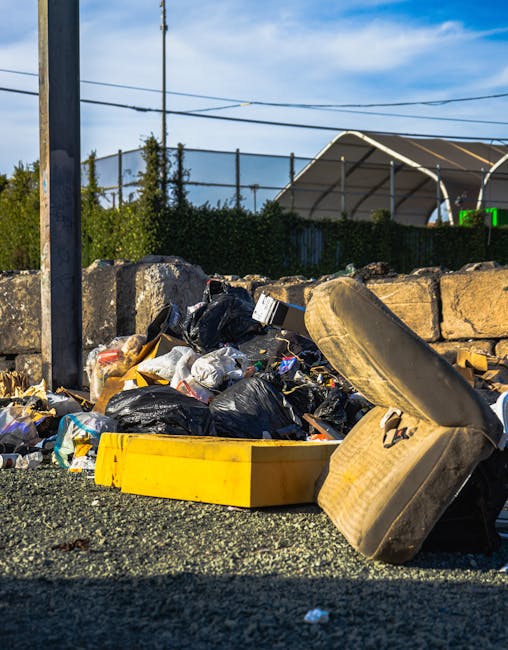
Fly tipping is one of those problems that looks small from a distance and turns expensive very...
At Waste Disposal Kingston, we keep our rubbish removal prices simple, transparent and tailored to properties and businesses across the Kingston area. Whether you live in a Victorian terrace in Kingston town centre, a riverside flat in Surbiton or run a busy café near the station, our aim is to give you a clear waste collection cost upfront so you always know what you are paying for and why.
We use a straightforward, all-inclusive pricing structure. Your quote is based on the volume of rubbish we remove and the time needed for safe loading. The price you see includes labour, standard disposal fees, transport and sweep-up of the work area. There are no hidden call-out charges and no surprise extras added at the end of the job.
Before any work starts, our team will confirm the exact rubbish removal price with you. If the waste on-site is less or more than you originally described, we will adjust the quote on the spot and get your agreement before lifting a single item. This means you stay in full control of your waste collection cost from start to finish.
Our primary pricing method is based on the space your items take up on our vehicles, measured in cubic yards. This is the same approach used by most reputable rubbish clearance companies because it is fair, easy to understand and works for almost every type of job.
A cubic yard is roughly the size of a standard household washing machine. The more cubic yards your rubbish uses, the higher the load-based rate. For light mixed waste such as packaging, old clothes or small furniture, you can often fit a lot into a small volume, keeping the overall rubbish removal cost low. Heavier items may incur a weight supplement, but this will always be discussed in advance.
For ongoing commercial waste collection in busy areas of Kingston, we can also offer scheduled load-based rates. This keeps your waste collection cost predictable if you run a high-footfall business such as a restaurant on Clarence Street, a salon near Norbiton, or a convenience store close to student housing.
We design our pricing to be all-in, so you do not need to budget separately for labour or basic recycling. A standard quote from Waste Disposal Kingston usually includes:
Collection from inside or outside your property, careful loading by our team, transport to licensed facilities, sorting for recycling where possible and a sweep-up of the cleared area. If you have special items such as mattresses, fridges or large volumes of builders waste, our team will factor these into your quote so your final waste collection cost is still clear and accurate.
Every property is different, but the examples below give a guide to the kind of rubbish removal prices you can expect around Kingston. Exact costs will depend on volume, access and the type of waste.
Small flat clear-out in Kingston Riverside or Surbiton: Ideal for tenants moving out of a one-bedroom flat, this might include several bags of general rubbish, a broken bookcase, a small table and a few kitchen items. This usually fits into a small quarter-load section of our vehicle. Because access is often good and items are light, the overall rubbish removal price tends to be very competitive.
Family house declutter in Norbiton or New Malden: A typical three-bedroom semi-detached property might require removal of bulkier items such as old wardrobes, a sofa, children’s furniture, boxes from the loft and general bric-a-brac. This often fills around half a load to three-quarters of a load by cubic yard measurement. The resulting waste collection cost is still lower than hiring a skip for many customers, and you avoid the hassle of arranging a permit for a busy residential street.
Garden waste clearance in Kingston Hill and surrounding roads: Many homes with long gardens produce a surprising amount of green waste during a big tidy-up. Branches, hedge trimmings, old fence panels and a tired shed can quickly add up. Garden-only waste is often lighter by volume, so you can usually fit more into the same cubic-yard space. Our team will stack efficiently to keep your rubbish removal prices as low as possible.
Office and shop clearances in Kingston town centre: Whether you are refitting an office near the station or updating a retail unit in a busy shopping street, commercial clearances can involve desks, shelving, filing cabinets, old displays and packaging. These jobs may range from a half-load up to a full vehicle or more. For busy locations with limited loading times, we work quickly and schedule arrivals to avoid peak trading hours, all while giving a fixed waste collection cost beforehand.
Post-renovation and builders waste in residential streets: After a kitchen makeover or loft conversion, homeowners often face piles of plasterboard, timber offcuts, tiles, insulation and packaging. This type of waste can be heavier, which may affect the rate per cubic yard. However, because we load directly from the property or driveway, many customers find our flexible rubbish removal prices more convenient and cost-effective than keeping a skip outside for several days.
While we aim to keep pricing straightforward, a few factors can influence the final amount. The total volume of waste in cubic yards is the main driver, but weight can also matter, especially for dense materials like rubble, soil and tiles. Access is another consideration; if we need to carry items down several flights of stairs in a block of flats or from a long rear garden, extra labour time may be reflected in your quote.
Certain items attract higher disposal fees at recycling centres, including mattresses, fridges, freezers, tyres and some electrical appliances. When you list these for us during the quote process, we add them clearly so you can see exactly how they affect your rubbish removal prices. There are no surprise surcharges at the end.
We offer free, no-obligation quotes for all rubbish removal and waste collection jobs in Kingston and nearby areas. You can tell us what you have to dispose of, send photos if needed, and we will estimate the volume by cubic yards. For larger or more complex clearances, we can arrange a short visit to assess the job in person and lock in a firm price.
Once you receive your quote, you are under no pressure to book. Our role is to give you a clear, honest guide to your waste collection cost so that you can decide what works best for your schedule and budget. When you are ready, we arrange a convenient time, confirm the price again on arrival and get to work.
From one-off declutters to regular commercial collections, Waste Disposal Kingston is committed to providing rubbish removal prices that are fair, transparent and tailored to the property types and busy locations that define the Kingston area.

GET A FREE QUOTE
We always put your needs at first place!
Waste Disposal Kingston provides practical waste disposal in Kingston for homes, landlords, offices and trades that need unwanted items removed without turning the task into a long day’s work. We focus on the collection, loading and responsible disposal of everyday rubbish, bulky household items and mixed clearance waste, with a service shape that suits both straightforward one-off jobs and larger clearances.
Our core work covers rubbish collection, general waste disposal and related clearance services, so customers can choose the right level of help for the material they need moving. If you are comparing options, our services overview gives a simple starting point, while the prices page sets out how the work is typically assessed. For a more detailed quotation, you can use the contact page near the end of this page.
We handle a wide mix of waste types in a way that stays organised and clear. That includes common domestic rubbish, old furniture, white goods, garden cuttings, builders’ debris and items gathered during house, loft or office clearances. A well-planned disposal visit is often less about speed alone and more about matching the right vehicle, the right labour and the right disposal route to the actual load.
General waste disposal is often the most useful option when the items are mixed and do not belong to a single specialist category. That can include broken household goods, packed-up junk, bagged rubbish, miscellaneous office items and everyday material left after decluttering. The aim is to remove the load neatly, avoid unnecessary sorting by the customer and leave the space ready for normal use again.
For customers wanting a broader service that covers varied loads rather than one isolated item type, our waste disposal in Kingston page offers a direct route into the main service. If your waste is mainly household rubbish, the domestic waste collection option may be the closer fit, while the commercial waste removal page suits business-related loads. Each of these pages reflects a different kind of disposal need rather than a one-size-fits-all approach.
When arranging any collection, it helps to think in terms of what needs removing, where it is located and whether access is straightforward. Those points influence the handling required and the time needed on site. For mixed loads, clear information about the item types and approximate volume keeps the quotation more accurate. Simple preparation helps: separate anything you want to keep, make the waste easy to reach where possible and mention any awkward access before the visit. A careful brief usually leads to a smoother collection.
Clearance work is different from a simple collection because it usually involves removing items from several parts of a property rather than one single pile. House clearance can include furniture, kitchen contents, general rubbish and stored belongings, while loft clearance often means working with boxed items, seasonal storage and pieces that have built up over time. Office clearance may involve desks, chairs, filing, packaging, mixed rubbish and redundant equipment.
Our house clearance in Kingston, loft clearance and office clearance pages describe these services in more detail. They can be useful if you already know the setting you are clearing and want a more specific route. Some projects are best treated as full-property clearances, while others only need selected rooms or storage areas emptied. The right service depends on what remains behind, how much sorting is required and whether items need to be removed carefully.
In clearance jobs, the important decisions are usually practical rather than complicated. Knowing whether items are loose or boxed, whether there are stairways or narrow corridors, and whether the space is partly occupied all helps shape the work. If there are things you want retained, it is best to identify them before the job begins and keep them separate. A short written list can help, but a few clear notes are often enough when the load is straightforward.
Bulky waste is often the most awkward part of a disposal job because it takes up space, weighs more than expected or needs careful handling to move safely. Common examples include sofas, mattresses, wardrobes, tables, chairs, fridges, freezers, washing machines and other worn-out household items. These pieces may be too large for ordinary bin collection and too awkward to leave waiting in a hallway or garage for long.
If you need help with a specific item type, the furniture removal, furniture disposal and white goods and appliance disposal pages give a clearer picture of those individual services. Furniture removal is particularly useful when items must be taken from upstairs rooms or awkward positions, while appliance disposal is more about safe handling and the right route for heavier electrical items. A combined job may include both household furniture and appliances, which is why the service should be chosen by the actual load rather than by a single headline description.
For the clearest quotation, it helps to note the item size, how many people may be needed to lift it and whether access is through a lift, stairs or a narrow entrance. That is especially important for heavier items and awkward units that cannot simply be shifted in one motion. If there are a few different bulky pieces, listing them together usually gives a better result than describing the job in broad terms only. You can also mention whether any items are inside the property or already outside.
Builders’ waste disposal deals with the debris left after construction, refurbishment or repair work. Typical loads may include rubble, broken plasterboard, timber offcuts, packaging, flooring remnants, tiles and other renovation waste that should not be left in general household rubbish. Because this material is often uneven in shape and weight, it needs a disposal approach that accounts for both loading and lawful removal.
Our builders’ waste disposal in Kingston page is the best starting point for renovation-related loads. It is suitable for customers who have work completed by a tradesperson, are managing a domestic improvement project or need leftover site waste cleared before the next stage begins. In practice, builders’ waste can range from a few bags and boards to heavier mixed material that needs extra handling and careful sorting at the disposal stage.
When arranging this kind of work, it is worth separating ordinary rubbish from heavier construction debris where possible. That does not mean you must sort every item perfectly, but it does help to know whether the load includes clean timber, mixed rubble, plasterboard, insulation or packaging. These distinctions can affect how the waste is loaded and handled. If you are sending details for a quotation, a short summary of the project stage and the main waste types is usually more useful than a long explanation of the building work itself.
Garden waste removal covers the outside jobs that build up after pruning, clearing and seasonal tidy-ups. It can include branches, cuttings, hedge trimmings, turf, soil, plant debris, damaged garden items and general outdoor clutter. These materials are often light in appearance but bulky in volume, so the main challenge is usually volume management rather than simple weight.
The garden waste removal page is useful for customers dealing with lawn waste, overgrown borders or the remains of a bigger landscaping job. Outdoor waste can also be part of a broader clearance where sheds, planters, broken fencing or old garden furniture are being removed alongside the green material. In those cases, a combined collection may be more practical than separating every item into different visits.
If you are preparing a garden disposal enquiry, try to note whether the material is mainly green waste, whether there is soil or rubble mixed in and whether items are already bagged or stacked. That helps with estimating the loading work and deciding what kind of vehicle or labour is appropriate. It also makes it easier to distinguish a straightforward green-waste job from a more mixed outdoor clearance that includes broken hard landscaping or redundant fixtures.
Kingston upon Thames is a historic market town on the River Thames in southwest London, long known for its riverside position and for its role as a centre of settlement, trade and administration. The town sits within the Royal Borough of Kingston upon Thames, and its identity is shaped by a mixture of older streets, modern retail areas and waterside routes. Kingston’s historic core is associated with coronation traditions, including the memory of Saxon kings linked with the town, and the place still carries a strong sense of layered history rather than a single architectural style. Market Place and the surrounding streets show this blend clearly, with patterns of movement and commerce that have evolved over centuries.
Waste work is often most efficient when it is matched to the exact kind of load and the level of handling involved. A compact domestic collection may need very little preparation, while a mixed clearance can call for more time, more sorting and a better understanding of the space itself. Our rubbish collection and waste clearance pages are useful when you want a broader service that sits between a simple item pickup and a full property clearance.
Some customers prefer to start with a broad service because the load is not yet fully separated. Others already know the job is mainly household, office, garden or builders’ material. In either case, the most practical choice is the one that reflects the waste as it really is. If there are items with different handling needs, it is often better to mention them together rather than leaving them out and revising the scope later. Clear information now saves time later.
For mixed jobs, the useful details are usually straightforward: what types of waste are present, whether the items are inside or outside, and whether there are any access constraints. If you have multiple loads across different rooms or areas, a short room-by-room note can help. The point is not to over-prepare, but to give enough structure for a sensible quotation and a collection plan that fits the property and the waste involved.
Waste disposal pricing is usually shaped by the volume of material, the type of items being removed, the labour required and any special handling involved. Bulky furniture, heavy builders’ waste and mixed clearances can each place different demands on the collection. The more varied the load, the more important it is to describe it accurately, because the work is not simply about moving objects but about loading and disposal in a way that matches the material.
For a clearer outline of how quotations are approached, see pricing and quotes. If you are comparing payment or security matters, the payment and security page may also be helpful. On the disposal side, customers who want reassurance about standards can look at waste carrier licence and compliance and insurance and safety. These pages support the practical side of choosing a disposal service and understanding how the work is managed.
Because different loads create different handling requirements, a good quotation is usually built from the facts of the job rather than from assumptions. Mentioning item types, approximate quantity and access conditions is often enough to begin with. If you are unsure whether a load is best treated as rubbish collection, clearance or a more specific item removal, a short description can help guide the next step. A concise enquiry is often the best way to turn an uncertain list of waste into a workable plan.
When you are ready to arrange waste disposal in Kingston, the simplest next step is to gather a brief description of the items, their location and the type of service you think fits best. That may be a general rubbish collection, a room clearance, a furniture pickup or a builders’ waste job. The clearer the outline, the easier it is to prepare a sensible quotation and match the right service to the waste in front of you.
Our website also includes further background on the business through the about us page and customer comments on the testimonials page. If you need a quick route to send your details, contact us for a quotation.
For a final step, keep your note brief but specific: what needs removing, where it is and whether there are any awkward access points. Then request a quotation and let us know which service page best reflects your load. Request your quote today.
Fly tipping is one of those problems that looks small from a distance and turns expensive very...

If you are planning a clear-out, a renovation, or a garden overhaul, the first question is...

If you are trying to keep waste removal affordable in Kingston, cheap skip hire can look like the...
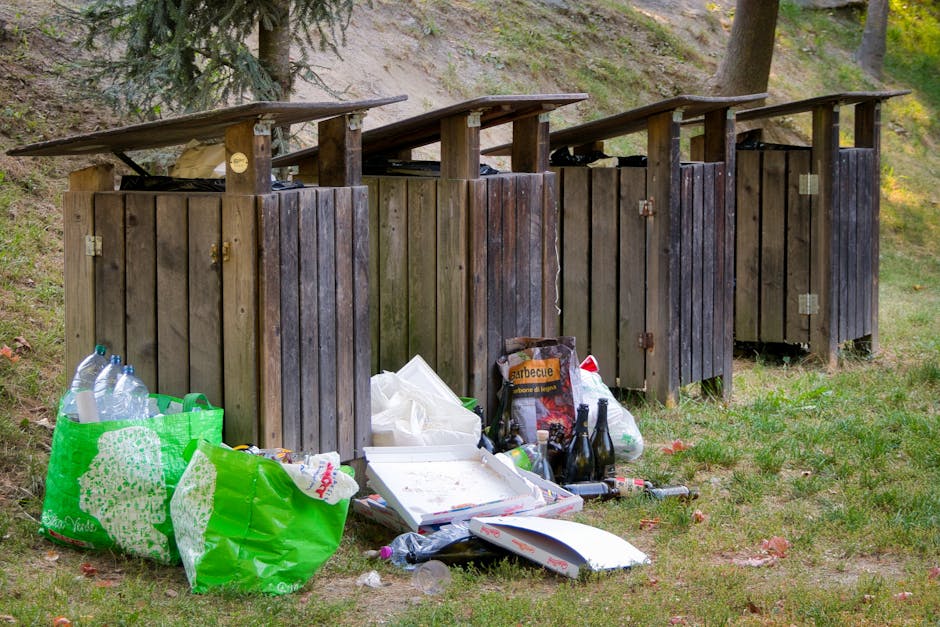
If you have ever booked a rapid rubbish pickup and then spent the afternoon watching the clock,...

If you have ever booked rubbish removal and then felt your stomach drop when the final bill...

If you live, work, rent, or manage property in Kingston Riverside, rubbish can build up fast.

If you are trying to sort Bentall Centre bulky rubbish collection Kingston Market Place, you are...

If you run an event in Kingston, you already know the tidy-up can be the part nobody really talks...

Planning an outstanding party requires an exclusive venue that matches the grandeur of the occasion.

Kingston, a suburban town in southwest London, is a location that exudes charm and beauty. Known...

Kingston, Jamaica's vibrant capital, has always been at the heart of the island's culture,...
Investing in real estate is always an alluring option, particularly when it comes to vibrant...

 (78)
(78)