17/08/2026
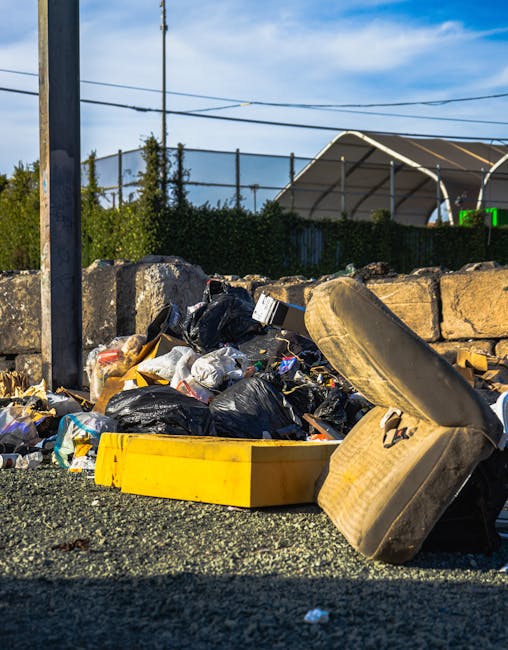
Fly tipping is one of those problems that looks small from a distance and turns expensive very...
Waste Disposal Kingston operates as a fully licensed and regulated waste carrier, broker and dealer, authorised by the Environment Agency to collect, transport and manage a wide range of non-hazardous and pre-agreed hazardous waste streams. Our operations across Kingston upon Thames and neighbouring boroughs are managed in strict accordance with current environmental legislation, sector guidance and local authority expectations.
We hold a valid Environment Agency upper tier waste carrier licence, which permits us to collect and transport waste produced by households, businesses and organisations. Our licence is maintained in good standing, renewed within required timescales, and monitored as part of our internal compliance procedures. Licence details, including registration status and number, are available to customers on request and can be verified via the Environment Agency public register.
The scope of our licence covers the collection, transport and arrangement for recovery or disposal of controlled waste, including mixed household waste, commercial waste, bulky items, construction and refurbishment waste, garden waste and recyclable materials. Any work outside this scope is not undertaken, ensuring that every service we provide remains fully aligned with our regulatory permissions.
All activities carried out by Waste Disposal Kingston adhere to the requirements of the Environmental Protection Act, the Waste Regulations and all relevant duty of care codes of practice. We operate on the principle that waste must be managed responsibly from the point of collection through to final treatment or disposal, with full traceability at every stage.
Our vehicles, transfer routes and disposal partners are selected and monitored to meet or exceed national standards and the expectations of local enforcement bodies. We routinely review regulatory updates issued by the Environment Agency and local councils to ensure that our working practices, documentation and staff training remain fully up to date.
We maintain comprehensive insurance cover appropriate to a professional waste management business operating in Kingston and the surrounding area. This includes public liability insurance and, where applicable, cover for employees working on or around customer premises and highways. Our insurance arrangements are reviewed annually with qualified advisers to ensure they remain suitable for the type, scale and risk profile of our activities.
Copies of current insurance certificates can be provided to commercial clients and property managers upon request as part of tender processes or site induction requirements. By combining adequate insurance with robust operational controls and staff training, we provide reassurance that collections are conducted safely, responsibly and in accordance with recognised industry practice.
For all non-household collections and for any waste removed on behalf of a business, landlord, contractor or organisation, we issue a Waste Transfer Note, often referred to as a WTN. This document sets out the description of the waste, quantity, European Waste Catalogue coding where required, details of both parties, and confirmation that the waste will be handled in accordance with the waste hierarchy and relevant regulations.
Our WTN procedures are designed to be clear, consistent and auditable. Notes are completed accurately at the time of collection or through pre-arranged documentation processes for regular contracted customers. We retain copies of all Waste Transfer Notes for the legally required minimum period and can provide duplicates for client audits, environmental management system reviews or local authority inspections.
Where electronic documentation is used, systems are configured to ensure that data is stored securely, is backed up regularly and can be retrieved promptly if required by customers or regulators. For one-off collections from domestic premises, we still provide customers with written confirmation of the transfer of responsibility for their waste, reinforcing transparency and peace of mind.
Waste Disposal Kingston recognises its statutory duty of care for all controlled waste handled through its operations. Our duty of care extends from the moment we take possession of waste through to its final treatment or disposal at licensed facilities. We only use authorised disposal and recovery sites that hold the appropriate permits and demonstrate high standards of environmental performance.
We support our customers in meeting their own duty of care obligations by providing clear information about how waste will be managed, advising on segregation and recycling opportunities, and supplying accurate documentation. We encourage the prioritisation of waste prevention, reuse and recycling, and we work with local partners to maximise resource recovery wherever reasonably practicable.
Fly-tipping or the use of unlicensed operators undermines community wellbeing and the local environment. By choosing a properly licensed and insured carrier, customers contribute to a cleaner borough and reduce the risk of enforcement action for mismanaged waste. Our commitment is to handle all waste honestly, lawfully and transparently, ensuring full traceability and responsible outcomes.
Operating primarily in Kingston upon Thames and neighbouring London boroughs, we align our procedures with local council requirements relating to waste storage, collection timings, noise, vehicle access and street cleanliness. Our teams are briefed on area-specific expectations, including parking controls, controlled waste restrictions and recycling priorities, to minimise disruption and support local environmental objectives.
We cooperate with local authority officers and Environment Agency representatives as needed, providing access to documentation and operational information to verify compliance. Feedback from inspections, client audits and public comments is used to improve our services and to refine our internal compliance systems.
All operational staff involved in the handling, loading or transport of waste receive instruction on legal responsibilities, safe handling practices and the correct completion of Waste Transfer Notes. Regular refresher sessions reinforce key principles such as segregation of recyclable material, secure loading of vehicles, prevention of spills and the importance of accurate record-keeping.
Supervisors conduct periodic checks on routes, paperwork and tipping locations to ensure that procedures are followed consistently. Any non-conformances are investigated and corrective actions are implemented promptly. This structured approach to training and supervision helps maintain high compliance standards and supports the long-term reliability of our service.
Our goal is to provide Kingston residents, businesses and organisations with a waste disposal service that is lawful, dependable and environmentally responsible. Maintaining our Environment Agency licence, keeping insurance current, issuing accurate Waste Transfer Notes and upholding the duty of care for all waste in our possession are central to how we operate.
By continually reviewing our systems and collaborating with approved recycling and disposal partners, we aim to reduce the environmental impact of waste generated in the local area and to support broader sustainability objectives. Customers who choose Waste Disposal Kingston can be confident that their waste is managed in line with all applicable legal and regulatory requirements.

GET A FREE QUOTE
We always put your needs at first place!
Waste Disposal Kingston provides practical waste disposal in Kingston for homes, landlords, offices and trades that need unwanted items removed without turning the task into a long day’s work. We focus on the collection, loading and responsible disposal of everyday rubbish, bulky household items and mixed clearance waste, with a service shape that suits both straightforward one-off jobs and larger clearances.
Our core work covers rubbish collection, general waste disposal and related clearance services, so customers can choose the right level of help for the material they need moving. If you are comparing options, our services overview gives a simple starting point, while the prices page sets out how the work is typically assessed. For a more detailed quotation, you can use the contact page near the end of this page.
We handle a wide mix of waste types in a way that stays organised and clear. That includes common domestic rubbish, old furniture, white goods, garden cuttings, builders’ debris and items gathered during house, loft or office clearances. A well-planned disposal visit is often less about speed alone and more about matching the right vehicle, the right labour and the right disposal route to the actual load.
General waste disposal is often the most useful option when the items are mixed and do not belong to a single specialist category. That can include broken household goods, packed-up junk, bagged rubbish, miscellaneous office items and everyday material left after decluttering. The aim is to remove the load neatly, avoid unnecessary sorting by the customer and leave the space ready for normal use again.
For customers wanting a broader service that covers varied loads rather than one isolated item type, our waste disposal in Kingston page offers a direct route into the main service. If your waste is mainly household rubbish, the domestic waste collection option may be the closer fit, while the commercial waste removal page suits business-related loads. Each of these pages reflects a different kind of disposal need rather than a one-size-fits-all approach.
When arranging any collection, it helps to think in terms of what needs removing, where it is located and whether access is straightforward. Those points influence the handling required and the time needed on site. For mixed loads, clear information about the item types and approximate volume keeps the quotation more accurate. Simple preparation helps: separate anything you want to keep, make the waste easy to reach where possible and mention any awkward access before the visit. A careful brief usually leads to a smoother collection.
Clearance work is different from a simple collection because it usually involves removing items from several parts of a property rather than one single pile. House clearance can include furniture, kitchen contents, general rubbish and stored belongings, while loft clearance often means working with boxed items, seasonal storage and pieces that have built up over time. Office clearance may involve desks, chairs, filing, packaging, mixed rubbish and redundant equipment.
Our house clearance in Kingston, loft clearance and office clearance pages describe these services in more detail. They can be useful if you already know the setting you are clearing and want a more specific route. Some projects are best treated as full-property clearances, while others only need selected rooms or storage areas emptied. The right service depends on what remains behind, how much sorting is required and whether items need to be removed carefully.
In clearance jobs, the important decisions are usually practical rather than complicated. Knowing whether items are loose or boxed, whether there are stairways or narrow corridors, and whether the space is partly occupied all helps shape the work. If there are things you want retained, it is best to identify them before the job begins and keep them separate. A short written list can help, but a few clear notes are often enough when the load is straightforward.
Bulky waste is often the most awkward part of a disposal job because it takes up space, weighs more than expected or needs careful handling to move safely. Common examples include sofas, mattresses, wardrobes, tables, chairs, fridges, freezers, washing machines and other worn-out household items. These pieces may be too large for ordinary bin collection and too awkward to leave waiting in a hallway or garage for long.
If you need help with a specific item type, the furniture removal, furniture disposal and white goods and appliance disposal pages give a clearer picture of those individual services. Furniture removal is particularly useful when items must be taken from upstairs rooms or awkward positions, while appliance disposal is more about safe handling and the right route for heavier electrical items. A combined job may include both household furniture and appliances, which is why the service should be chosen by the actual load rather than by a single headline description.
For the clearest quotation, it helps to note the item size, how many people may be needed to lift it and whether access is through a lift, stairs or a narrow entrance. That is especially important for heavier items and awkward units that cannot simply be shifted in one motion. If there are a few different bulky pieces, listing them together usually gives a better result than describing the job in broad terms only. You can also mention whether any items are inside the property or already outside.
Builders’ waste disposal deals with the debris left after construction, refurbishment or repair work. Typical loads may include rubble, broken plasterboard, timber offcuts, packaging, flooring remnants, tiles and other renovation waste that should not be left in general household rubbish. Because this material is often uneven in shape and weight, it needs a disposal approach that accounts for both loading and lawful removal.
Our builders’ waste disposal in Kingston page is the best starting point for renovation-related loads. It is suitable for customers who have work completed by a tradesperson, are managing a domestic improvement project or need leftover site waste cleared before the next stage begins. In practice, builders’ waste can range from a few bags and boards to heavier mixed material that needs extra handling and careful sorting at the disposal stage.
When arranging this kind of work, it is worth separating ordinary rubbish from heavier construction debris where possible. That does not mean you must sort every item perfectly, but it does help to know whether the load includes clean timber, mixed rubble, plasterboard, insulation or packaging. These distinctions can affect how the waste is loaded and handled. If you are sending details for a quotation, a short summary of the project stage and the main waste types is usually more useful than a long explanation of the building work itself.
Garden waste removal covers the outside jobs that build up after pruning, clearing and seasonal tidy-ups. It can include branches, cuttings, hedge trimmings, turf, soil, plant debris, damaged garden items and general outdoor clutter. These materials are often light in appearance but bulky in volume, so the main challenge is usually volume management rather than simple weight.
The garden waste removal page is useful for customers dealing with lawn waste, overgrown borders or the remains of a bigger landscaping job. Outdoor waste can also be part of a broader clearance where sheds, planters, broken fencing or old garden furniture are being removed alongside the green material. In those cases, a combined collection may be more practical than separating every item into different visits.
If you are preparing a garden disposal enquiry, try to note whether the material is mainly green waste, whether there is soil or rubble mixed in and whether items are already bagged or stacked. That helps with estimating the loading work and deciding what kind of vehicle or labour is appropriate. It also makes it easier to distinguish a straightforward green-waste job from a more mixed outdoor clearance that includes broken hard landscaping or redundant fixtures.
Kingston upon Thames is a historic market town on the River Thames in southwest London, long known for its riverside position and for its role as a centre of settlement, trade and administration. The town sits within the Royal Borough of Kingston upon Thames, and its identity is shaped by a mixture of older streets, modern retail areas and waterside routes. Kingston’s historic core is associated with coronation traditions, including the memory of Saxon kings linked with the town, and the place still carries a strong sense of layered history rather than a single architectural style. Market Place and the surrounding streets show this blend clearly, with patterns of movement and commerce that have evolved over centuries.
Waste work is often most efficient when it is matched to the exact kind of load and the level of handling involved. A compact domestic collection may need very little preparation, while a mixed clearance can call for more time, more sorting and a better understanding of the space itself. Our rubbish collection and waste clearance pages are useful when you want a broader service that sits between a simple item pickup and a full property clearance.
Some customers prefer to start with a broad service because the load is not yet fully separated. Others already know the job is mainly household, office, garden or builders’ material. In either case, the most practical choice is the one that reflects the waste as it really is. If there are items with different handling needs, it is often better to mention them together rather than leaving them out and revising the scope later. Clear information now saves time later.
For mixed jobs, the useful details are usually straightforward: what types of waste are present, whether the items are inside or outside, and whether there are any access constraints. If you have multiple loads across different rooms or areas, a short room-by-room note can help. The point is not to over-prepare, but to give enough structure for a sensible quotation and a collection plan that fits the property and the waste involved.
Waste disposal pricing is usually shaped by the volume of material, the type of items being removed, the labour required and any special handling involved. Bulky furniture, heavy builders’ waste and mixed clearances can each place different demands on the collection. The more varied the load, the more important it is to describe it accurately, because the work is not simply about moving objects but about loading and disposal in a way that matches the material.
For a clearer outline of how quotations are approached, see pricing and quotes. If you are comparing payment or security matters, the payment and security page may also be helpful. On the disposal side, customers who want reassurance about standards can look at waste carrier licence and compliance and insurance and safety. These pages support the practical side of choosing a disposal service and understanding how the work is managed.
Because different loads create different handling requirements, a good quotation is usually built from the facts of the job rather than from assumptions. Mentioning item types, approximate quantity and access conditions is often enough to begin with. If you are unsure whether a load is best treated as rubbish collection, clearance or a more specific item removal, a short description can help guide the next step. A concise enquiry is often the best way to turn an uncertain list of waste into a workable plan.
When you are ready to arrange waste disposal in Kingston, the simplest next step is to gather a brief description of the items, their location and the type of service you think fits best. That may be a general rubbish collection, a room clearance, a furniture pickup or a builders’ waste job. The clearer the outline, the easier it is to prepare a sensible quotation and match the right service to the waste in front of you.
Our website also includes further background on the business through the about us page and customer comments on the testimonials page. If you need a quick route to send your details, contact us for a quotation.
For a final step, keep your note brief but specific: what needs removing, where it is and whether there are any awkward access points. Then request a quotation and let us know which service page best reflects your load. Request your quote today.
Fly tipping is one of those problems that looks small from a distance and turns expensive very...

If you are planning a clear-out, a renovation, or a garden overhaul, the first question is...

If you are trying to keep waste removal affordable in Kingston, cheap skip hire can look like the...
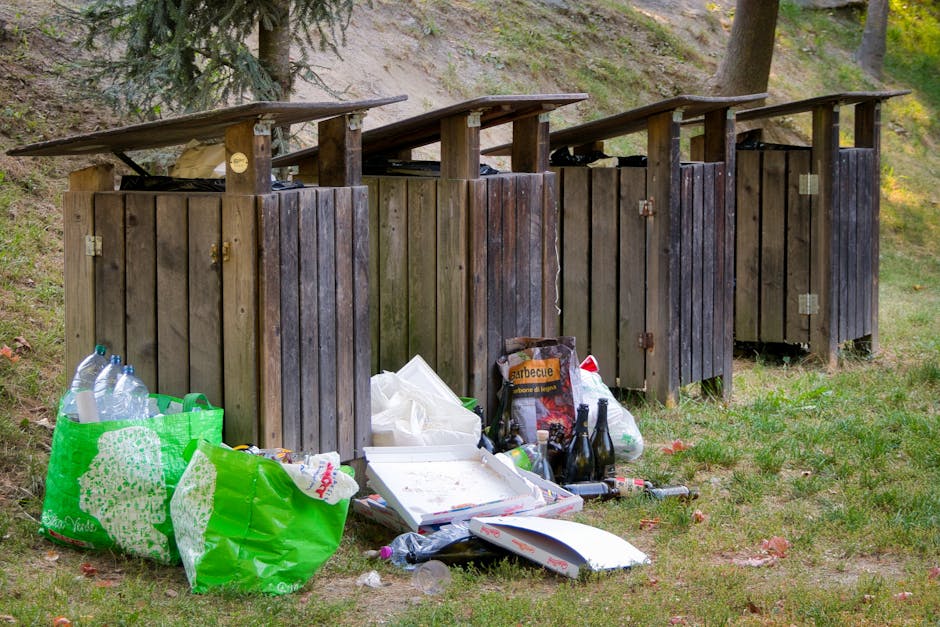
If you have ever booked a rapid rubbish pickup and then spent the afternoon watching the clock,...

If you have ever booked rubbish removal and then felt your stomach drop when the final bill...

If you live, work, rent, or manage property in Kingston Riverside, rubbish can build up fast.
If you are trying to sort Bentall Centre bulky rubbish collection Kingston Market Place, you are...

If you run an event in Kingston, you already know the tidy-up can be the part nobody really talks...

Planning an outstanding party requires an exclusive venue that matches the grandeur of the occasion.

Kingston, a suburban town in southwest London, is a location that exudes charm and beauty. Known...

Kingston, Jamaica's vibrant capital, has always been at the heart of the island's culture,...
Investing in real estate is always an alluring option, particularly when it comes to vibrant...

 (78)
(78)